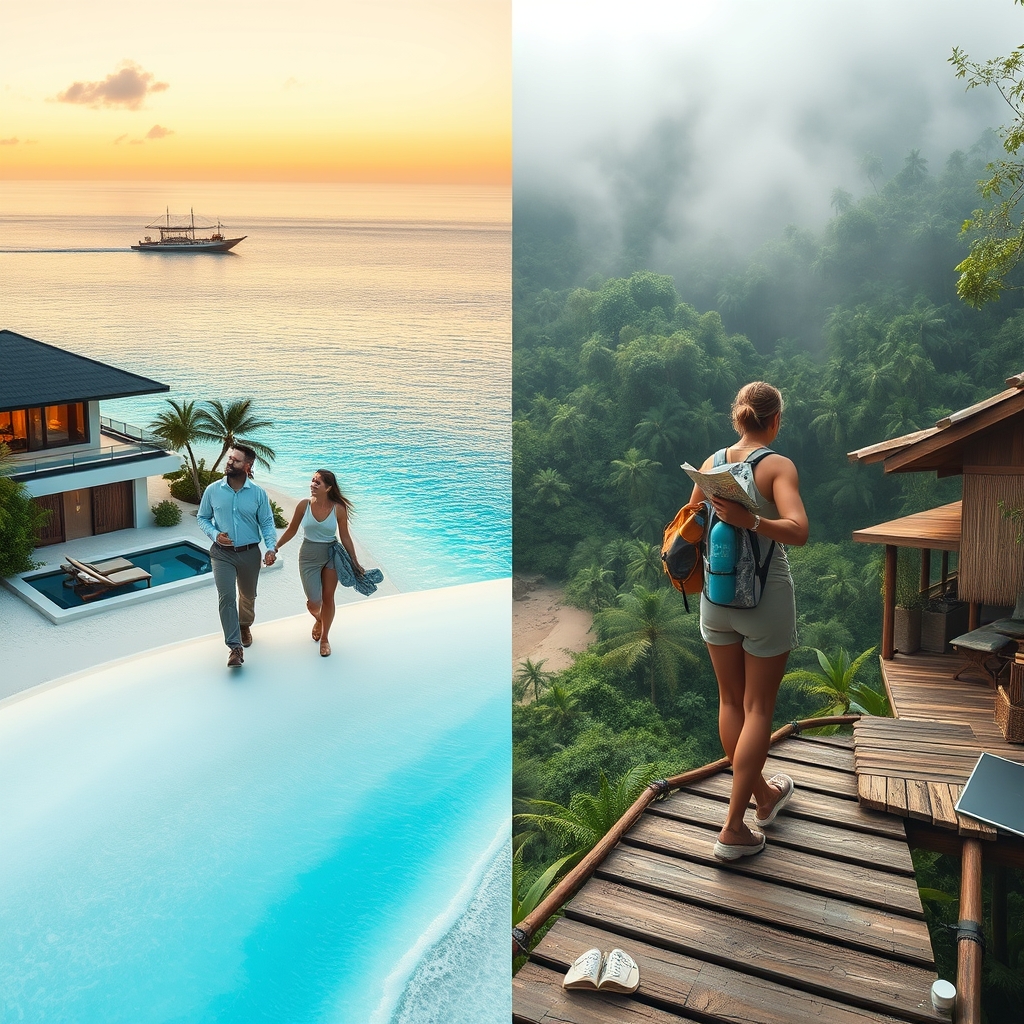
2026 Travel and Hotels Guide: How to Choose the Right Experience for Your Journey—From Luxury Escapes to Budget Stays and Everything In Between
Planning a trip in 2026 means navigating a travel landscape richer and more diverse than ever before. Whether you’re booking a luxury honeymoon, organizing corporate travel management, seeking an adventure tourism thrill, or simply looking for last-minute deals, the key to a seamless experience lies in matching your needs to the right type of travel and accommodation. This guide breaks down the essentials—from boutique hotels to eco-lodges, MICE events to solo travel packages—so you can make informed, confident choices that align with your goals, budget, and values.
Key Takeaways
- Travel and accommodation options in 2026 cater to every intent—leisure, business, wellness, or adventure—with specialized providers for each.
- Choosing the right hotel type (e.g., boutique hotels, extended stay hotels, or eco-lodges) can enhance comfort, cost-efficiency, and sustainability.
- Emerging trends like medical tourism, glamping, and wellness retreats reflect shifting traveler priorities toward health, authenticity, and flexibility.
- Leveraging visa consultancy services, travel insurance providers, and destination management companies (DMCs) can simplify logistics and reduce stress.
How Do Travel Types Align With Your Goals?
Travel isn’t one-size-fits-all. A corporate travel manager booking flights for a sales team has different needs than a couple planning a honeymoon or a solo backpacker exploring cultural heritage tourism. Understanding the core categories helps narrow your search:
Leisure and Specialized Travel
Leisure travel remains the largest segment, but it’s increasingly segmented into niches. Adventure tourism, for example, is projected to grow at a CAGR of 15.2% through 2026, driven by demand for experiences like trekking, diving, and wildlife safaris (UNWTO Tourism Statistics). Meanwhile, luxury travel is evolving beyond opulence to focus on exclusivity, privacy, and personalized service—think private island rentals or bespoke cultural heritage tours with local historians.
For those seeking transformation, wellness retreats and medical tourism are booming. The global wellness tourism market is expected to reach $1.2 trillion by 2027, with destinations like Thailand and Costa Rica leading in affordable, high-quality wellness retreats. Similarly, medical tourism—traveling for procedures like dental work or cosmetic surgery—is growing at 25% annually, with countries like India and Turkey offering accredited facilities at a fraction of Western costs.
Business and Group Travel
Corporate travel management is no longer just about booking flights and hotels. Companies are prioritizing duty of care, sustainability, and cost efficiency, often partnering with travel management companies (TMCs) or destination management companies (DMCs) to handle logistics. MICE (Meetings, Incentives, Conferences, and Exhibitions) is another critical segment, with hybrid events becoming the norm. For example, a 2025 survey by the Global Business Travel Association found that 68% of companies now blend in-person and virtual attendance for conferences to maximize reach and reduce costs.
Group travel—whether for pilgrimage tours, educational travel, or sports tourism—requires specialized operators. Pilgrimage tours to destinations like Mecca or Varanasi often include visa assistance, guided rituals, and group accommodations, while educational travel programs for students or professionals focus on immersive learning, such as language courses or archaeological digs.
Which Hotel Type Best Fits Your Trip?
The right accommodation can make or break your experience. Here’s how to match your needs to the growing variety of options:
Luxury and Boutique Stays
Luxury hotels and boutique hotels cater to travelers seeking exclusivity and personalized service. Boutique hotels, typically with fewer than 100 rooms, offer unique themes, local art, and intimate atmospheres—ideal for honeymoon specialists or cultural heritage tourism. For example, a heritage hotel in Rajasthan might feature 18th-century architecture and royal history, while a boutique villa in Bali could include private pools and butler service.
All-inclusive resorts remain popular for stress-free vacations, especially in destinations like Mexico or the Dominican Republic. These properties bundle meals, drinks, and activities, making them a top choice for families or group tours. Meanwhile, eco-lodges and glamping sites are gaining traction among eco-conscious travelers. A 2025 report by Booking.com found that 73% of travelers want to stay in sustainable accommodations, driving demand for eco-lodges in destinations like Costa Rica or Norway.
Budget and Extended Stays
For budget-conscious travelers, hostels, budget hotels, and capsule hotels
(popular in Japan and South Korea) offer affordable, no-frills options. Serviced apartments and extended stay hotels are ideal for digital nomads or long-term travelers, providing kitchenettes, laundry facilities, and more space than traditional hotels. A 2026 study by Skift revealed that 42% of business travelers now prefer serviced apartments for stays longer than a week, citing cost savings and home-like amenities. Vacation rentals, such as Airbnb or Vrbo properties, continue to dominate for families or groups seeking flexibility. These options often include full kitchens, multiple bedrooms, and local neighborhood experiences—perfect for solo travel packages or last-minute deals. With so many options, streamlining your travel planning is essential. Here’s how to leverage industry services for a smoother experience: Visa consultancy services can save time and hassle, especially for complex destinations like China or Russia. These providers handle paperwork, appointments, and even expedited processing. Similarly, travel insurance providers are non-negotiable for international trips. Policies can cover medical emergencies, trip cancellations, or lost luggage, with providers like World Nomads or Allianz offering tailored plans for adventure tourism or medical tourism. Car rental services and destination management companies (DMCs) add convenience for travelers who want local expertise. A DMC, for example, can arrange private transfers, guided tours, and exclusive access to attractions—ideal for luxury travel or MICE events. For corporate travelers, travel management companies (TMCs) like American Express Global Business Travel or BCD Travel offer end-to-end solutions, from flight bookings to expense reporting. Technology is reshaping how we book and experience travel. AI-powered tools now personalize recommendations based on past trips, while dynamic pricing algorithms help travelers find last-minute deals or off-season discounts. For example, apps like Hopper predict price drops for flights and hotels, while platforms like TourRadar specialize in group tours and adventure tourism. Sustainability is another key trend. Many travelers now prioritize eco-lodges, carbon-offset flights, and cultural heritage tourism that supports local communities. A 2026 survey by Expedia found that 62% of travelers are willing to pay more for sustainable options, signaling a shift in industry standards. As you plan your 2026 travels, start by defining your priorities—whether it’s relaxation, adventure, business, or cultural immersion. Use this guide to explore the right mix of travel types, accommodations, and services, then leverage tools and experts to bring your trip to life. The world is full of possibilities; the key is choosing the ones that align with your vision.How Can You Simplify the Booking Process?
Visa, Insurance, and Logistics
Technology and Trends