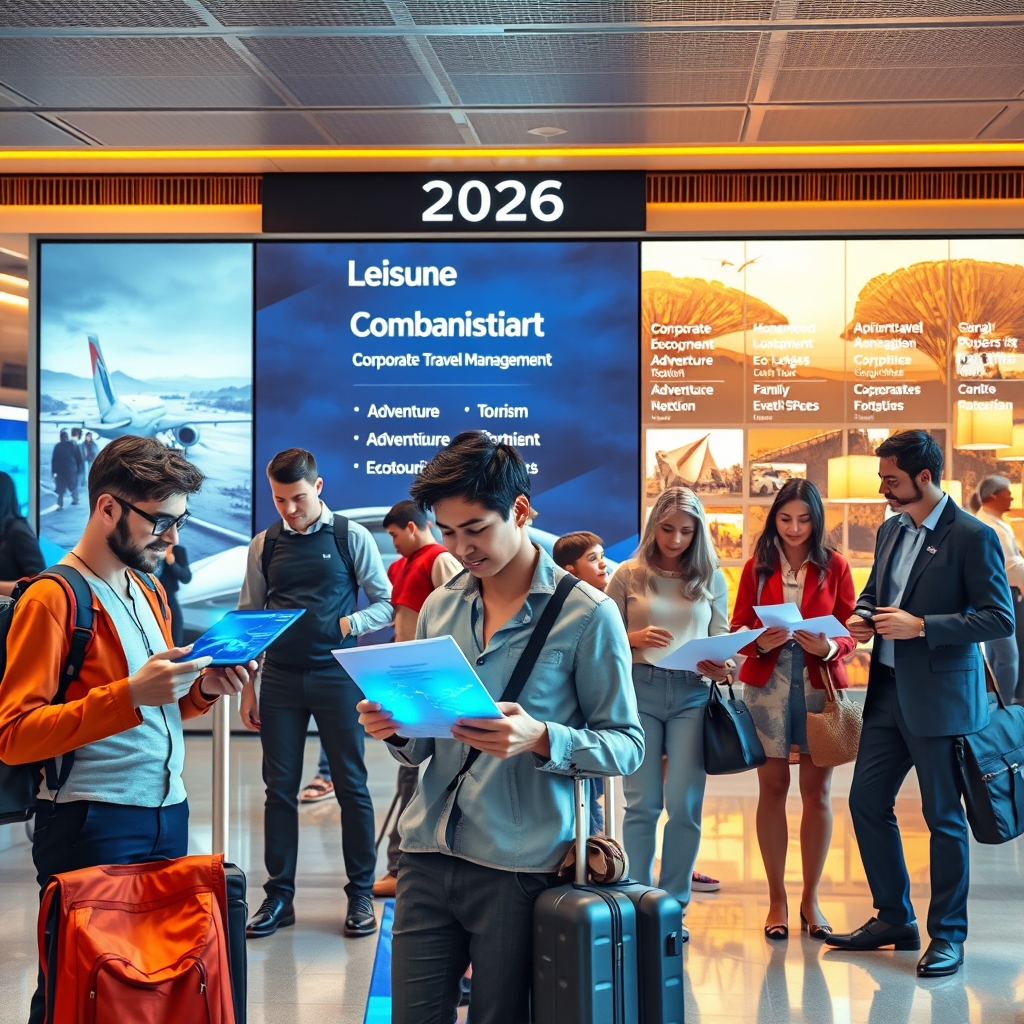
2026 Travel & Hotels Playbook: How to Choose the Right Services, Stays, and Operators for Your Unique Journey Goals
Planning a trip in 2026 means navigating a landscape of specialized travel services, hotels, and tour operators designed to match every possible goal—whether you’re a solo adventurer, a corporate travel manager, or a luxury seeker. This guide helps you cut through the noise by explaining how to select the right travel and hotels information, operators, and accommodations for your specific needs. You’ll learn how to evaluate options across leisure travel, corporate travel management, adventure tourism, and niche segments like ecotourism or MICE (Meetings, Incentives, Conferences, and Exhibitions), ensuring your trip delivers value, safety, and alignment with your priorities.
Key Takeaways
- Match your trip goals (e.g., relaxation, adventure, business) to the right type of tour operator or hotel category—options range from boutique hotels to all-inclusive resorts and destination management companies (DMCs).
- Use travel insurance providers, visa consultancy services, and car rental services to address logistical gaps and reduce stress.
- Leverage data-backed trends, such as the rise of wellness retreats and sustainable stays, to make informed choices that align with 2026 traveler preferences.
- For corporate or group travel, prioritize operators with expertise in MICE, group tours, or educational travel to ensure seamless execution.
How Do You Align Your Trip Goals with the Right Travel Operators?
Travel operators specialize in distinct niches, and choosing the right one starts with clarifying your objectives. For example, honeymoon specialists curate romantic experiences, while adventure tourism operators focus on activities like trekking or diving. If your trip involves business, a corporate travel management firm can handle logistics like flights, accommodations, and expense tracking. For large groups, group tours or destination management companies (DMCs) provide end-to-end coordination, from itinerary planning to local transportation.
For travelers seeking unique experiences, niche operators like safari tours, pilgrimage tours, or sports tourism providers offer tailored packages. Data from the World Tourism Organization (UNWTO) shows that experiential travel—such as cultural heritage tourism and medical tourism—has grown by 20% annually since 2020, reflecting a shift toward purpose-driven trips. When evaluating operators, check for certifications, customer reviews, and transparency about partnerships with local vendors to ensure authenticity and reliability.
What Types of Hotels Should You Book for Different Travel Needs?
Hotels are no longer one-size-fits-all. In 2026, accommodations are segmented to cater to specific traveler profiles. Luxury hotels and boutique hotels appeal to those seeking premium amenities and personalized service, while budget hotels and hostels prioritize affordability. For extended stays, serviced apartments or extended stay hotels offer home-like comforts, including kitchens and laundry facilities. Business travelers often opt for business hotels or convention hotels, which provide meeting spaces and high-speed internet.
For niche experiences, consider eco-lodges for sustainable travel, heritage hotels for cultural immersion, or glamping sites for outdoor luxury. All-inclusive resorts simplify planning by bundling meals, activities, and accommodations, while vacation rentals offer flexibility for families or groups. According to a 2023 report by Skift Research, 68% of travelers now prioritize accommodations that align with their values, such as sustainability or local community support, making it essential to research a hotel’s practices before booking.
How Can You Leverage Ancillary Travel Services for a Smoother Trip?
Ancillary services like travel insurance providers, visa consultancy services, and car rental services can make or break your trip. Travel insurance is particularly critical for international travel, covering medical emergencies, trip cancellations, and lost luggage. Visa consultancy services streamline the often-complex process of obtaining travel documents, saving time and reducing the risk of rejections. For road trips or remote destinations, car rental services provide flexibility, though it’s wise to compare options for insurance coverage and fuel policies.
For corporate or group travel, MICE operators handle event logistics, including venue selection, catering, and audiovisual setups. Destination management companies (DMCs) offer localized expertise, such as arranging private tours or securing exclusive access to attractions. These services are especially valuable for incentive travel or large-scale conferences, where seamless execution is non-negotiable.
What Are the Emerging Trends in Travel and Hotels for 2026?
Travel in 2026 is shaped by evolving preferences and technological advancements. Wellness retreats and medical tourism are booming, with travelers seeking destinations that offer health-focused amenities, such as spa treatments or medical procedures. Solo travel packages are also on the rise, with operators designing itineraries that prioritize safety and social opportunities for solo adventurers.
Sustainability remains a key driver, with ecotourism and eco-lodges gaining traction. Hotels are increasingly adopting green practices, such as carbon-neutral operations and plastic-free policies, to attract eco-conscious travelers. Another trend is the demand for last-minute deals, fueled by flexible work arrangements and the desire for spontaneous getaways. Platforms specializing in last-minute bookings offer discounted rates on flights, hotels, and experiences, catering to travelers who prioritize flexibility over long-term planning.
To make the most of these trends, research operators and accommodations that align with your values and goals. For example, if sustainability is a priority, look for hotels with certifications like LEED or Green Key. If you’re planning a corporate event, partner with a MICE operator that integrates technology like virtual reality or hybrid event platforms to enhance engagement.
Your next trip starts with clarity. Define your goals—whether it’s relaxation, adventure, or business—and use this guide to select the right mix of operators, hotels, and services. With the right planning, your 2026 travel experience can be seamless, memorable, and perfectly tailored to your needs.