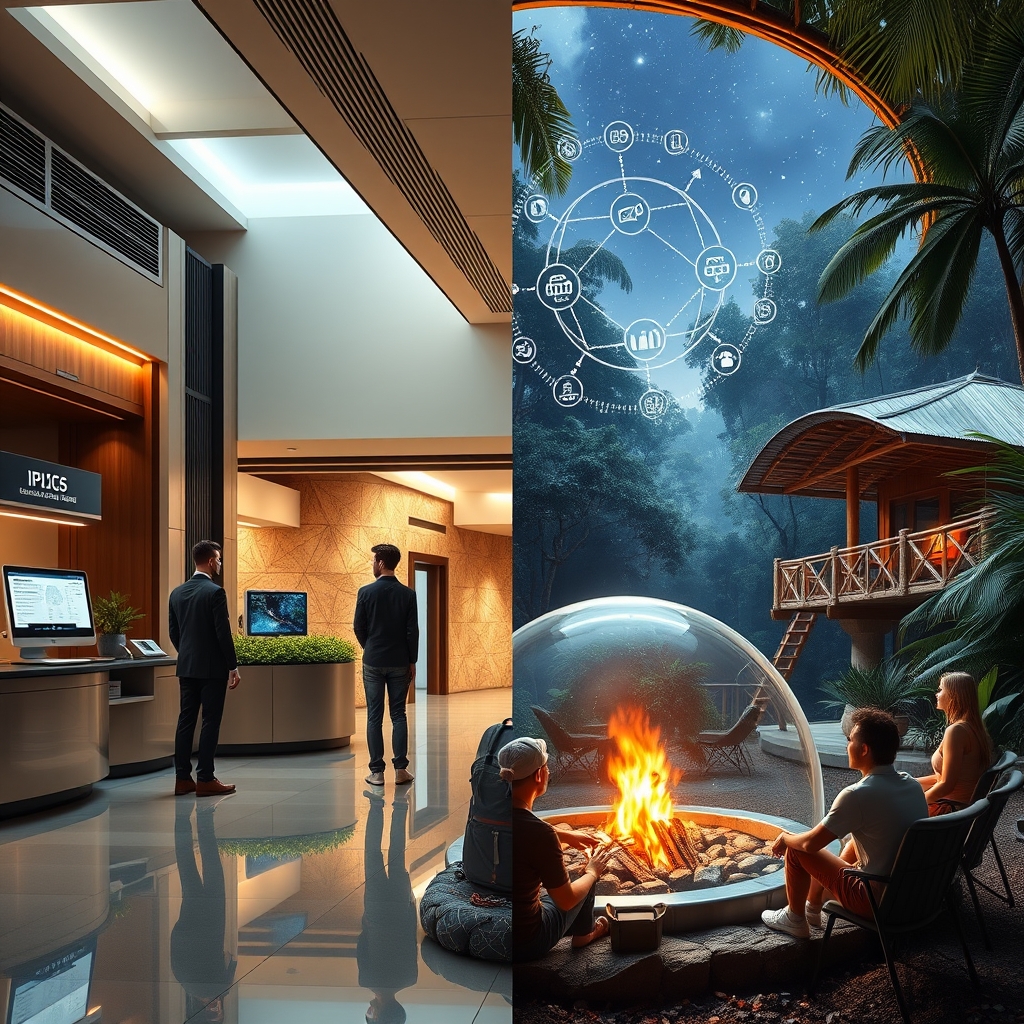
Navigating the Future of Travel and Hotels in 2026: A Data-Driven Guide to Tailored Experiences and Smart Choices
Planning a trip in 2026 means navigating a travel landscape transformed by technology, sustainability, and evolving traveler preferences. Whether you’re booking leisure travel, managing corporate travel, or seeking adventure tourism, this guide will help you understand the latest trends, compare accommodation types, and choose the right services—from MICE (Meetings, Incentives, Conferences, and Exhibitions) to wellness retreats and eco-lodges. You’ll learn how to match your travel goals with the best providers, avoid common pitfalls, and leverage data-backed strategies for a seamless experience.
- Travel services in 2026 are hyper-specialized, with providers catering to niche markets like medical tourism, pilgrimage tours, and solo travel packages.
- Accommodation options range from luxury hotels and boutique guesthouses to capsule hotels and glamping sites, each serving distinct budgets and preferences.
- Sustainability and technology (e.g., AI-driven booking, carbon footprint tracking) are now standard expectations, not optional add-ons.
- Corporate and group travel demand integrated solutions like Destination Management Companies (DMCs) and visa consultancy services for efficiency.
How Do Travel Services in 2026 Cater to Different Traveler Needs?
Travel providers have shifted from one-size-fits-all offerings to highly segmented services. For example, honeymoon specialists now curate multi-destination itineraries with private transfers and exclusive experiences, while adventure tourism operators focus on safety-certified activities like mountaineering or scuba diving. Corporate travel, meanwhile, prioritizes cost control and policy compliance, with Travel Management Companies (TMCs) using AI to optimize bookings and reduce spend by up to 20%, according to a 2025 report by the Global Business Travel Association.
Group travel has also evolved. Educational travel programs now include immersive cultural exchanges, while MICE planners leverage hybrid event technology to blend in-person and virtual attendance. For niche markets like sports tourism or pilgrimage tours, providers offer end-to-end logistics, including permits and local guides.
What Are the Emerging Trends in Accommodation for 2026?
The accommodation sector reflects broader shifts in traveler behavior. Luxury hotels and boutique resorts emphasize personalized service, with AI-powered concierge apps and biometric check-ins. At the other end of the spectrum, hostels and capsule hotels cater to budget-conscious travelers, often integrating co-working spaces for digital nomads.
Sustainability drives demand for eco-lodges and all-inclusive resorts with zero-waste policies. A 2025 survey by Booking.com found that 72% of travelers prefer accommodations with verified sustainability certifications. Meanwhile, vacation rentals and serviced apartments dominate extended stays, offering home-like amenities for remote workers and families.
How Can You Choose the Right Accommodation for Your Trip?
Start by aligning your accommodation with your travel purpose. Business hotels near convention centers or airports are ideal for corporate trips, while beachfront resorts or ski resorts suit leisure travelers. For immersive experiences, consider heritage hotels or boutique villas in cultural hubs. Budget travelers can explore bed and breakfasts (B&Bs) or youth hostels, which often include social events to connect guests.
Technology plays a key role in decision-making. Platforms like Google Travel and Kayak now use machine learning to predict price drops, helping travelers secure last-minute deals. For added security, pair your booking with travel insurance and visa consultancy services, especially for international trips.
What Role Do Ancillary Services Play in Modern Travel?
Ancillary services enhance convenience and safety. Car rental services now offer electric vehicle fleets in major cities, while Destination Management Companies (DMCs) provide localized expertise for group tours or corporate events. For specialized trips, inbound tour operators (focusing on domestic travel) and outbound tour operators (for international trips) handle everything from itinerary planning to emergency support.
Health and wellness are also priorities. Medical tourism facilitators arrange treatments abroad, often at lower costs, while wellness retreats offer digital detox programs and holistic therapies. For thrill-seekers, adventure tourism providers include risk assessments and certified guides as standard.
How Can You Optimize Your Travel Budget in 2026?
Leverage data to compare costs across accommodation types. For example, all-inclusive resorts may offer better value for families than à la carte hotels, while serviced apartments reduce expenses for long-term stays. Use price-tracking tools to monitor last-minute deals or off-season discounts, particularly for cruise operators or group tours.
Corporate travelers should negotiate rates with preferred business hotels or airport hotels and use expense management software to track spending. For leisure trips, consider bundling flights, accommodations, and activities through platforms like Expedia or Booking.com to unlock savings.
As travel continues to evolve, the key to a successful trip lies in matching your needs with the right providers and tools. Start by defining your priorities—whether it’s sustainability, cost, or convenience—and use this guide to navigate the options. For your next trip, explore niche services like safari tours or cultural heritage tourism, or streamline your corporate travel with a Travel Management Company. The future of travel is tailored, and the choices are yours to make.